Project Overview: Fuel Depot Expansion – E&I Works
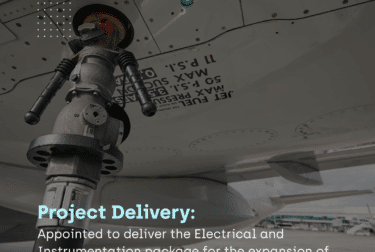
BGEN have been selected by one of our clients to deliver the Electrical and Instrumentation (E&I) package for the expansion of their fuel storage and distribution. This infrastructure upgrade is a key part of enhancing the clients capacity and operational resilience for aviation fuel supply.
E&I Scope of Work
Our involvement in the project focuses exclusively on the supply, installation, and commissioning of all Electrical and Instrumentation systems related to the new fuel storage and tanker loading facilities. This includes:
Power Distribution
- Design and installation of low-voltage (LV) power distribution systems
- Power supplies for pumps, control panels, instrumentation, lighting, and safety systems
- Installation of ATEX-compliant electrical infrastructure suitable for hazardous zones
Lighting and Earthing
- Installation of hazardous-area lighting for the tank farm and loading areas
- Complete earthing and bonding system to meet explosive atmosphere safety requirements
Instrumentation and Control Systems
- Supply and installation of field instrumentation, including:
- Tank level sensors
- Pressure and temperature transmitters
- Flow meters and control valves
- Integration with site-wide control and monitoring systems (SCADA/PLC)
- Commissioning of automated fuel management and safety interlocks
Safety and Compliance
- Installation of emergency shutdown (ESD) systems and interfaces
- Fire and gas detection systems (as applicable)
- Ensuring full compliance with DSEAR, ATEX, and aviation safety regulations
Project Objectives
- Provide safe, reliable, and future-ready E&I systems for the expanded facility
- Ensure compliance with hazardous area and aviation fuel handling standards
- Enable real-time monitoring, control, and traceability across the new infrastructure
- Support efficient commissioning and integration with minimal disruption to ongoing operations
This E&I scope is being delivered within a live operational Fuel Storage Depot, requiring strict adherence to safety protocols, and phased delivery to accommodate wider construction sequencing.


